22 May 2026Most drivers ignore brake problems for
the same reason: The vehicle still stops… technically.
Most brake problems don’t begin
dramatically. There’s usually no movie-scene screech or dashboard explosion
involved. Instead, it starts subtly like a slight vibration while slowing down
near downtown, a squeak pulling into the grocery store parking lot, or a brake
pedal that suddenly feels softer during a rainy drive on Route 6.
If you drive something built for hauling,
towing, winter commuting, weekend lake trips, or navigating rough Pennsylvania
roads year-round, your braking system deals with more stress than you may
realize. Extra weight, stop-and-go traffic, potholes, steep grades, road salt,
and unpredictable weather all gradually wear down components designed to keep
every stop controlled and predictable. That’s why routine GMC maintenance matters long before the
warning signs become impossible to ignore.
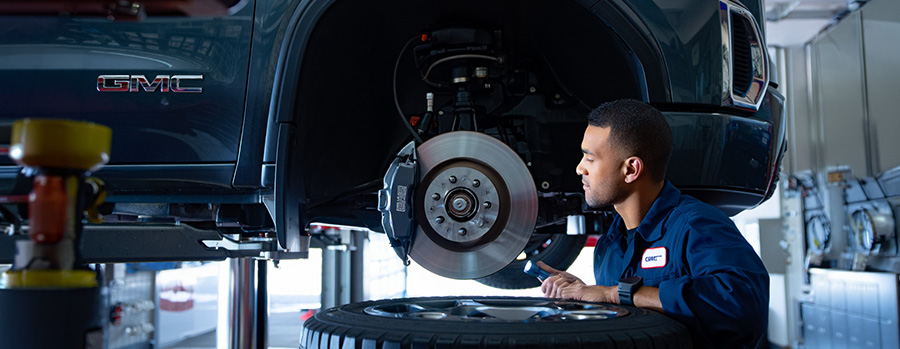
At Rick Weaver GMC, brake inspections
aren’t treated like a glance at your wheels and a generic service
recommendation. Modern braking systems involve advanced safety technology,
electronic sensors, assist systems, parking components, fluid pressure, and
precision parts that all need to work together seamlessly.
In this blog, we’ll break down what
actually happens during a brake service, the warning signs drivers shouldn’t
ignore, what systems technicians inspect, and why staying ahead of wear can
help prevent larger and far more expensive problems later.
Your Brakes Usually Warn You Before They Fail
One of the biggest misconceptions about
brake problems is that they appear suddenly. In reality, braking systems often
give drivers several early warning signs before performance noticeably
declines.
You may first notice:
●
Squeaking or grinding sounds while
braking
●
Vibration in the steering wheel
●
Longer stopping distances
●
A soft or spongy pedal
●
Pulling to one side during braking
●
Dashboard alerts related to brake
assist systems
●
Reduced responsiveness during wet
or icy conditions
These symptoms can point toward worn
brake pads, rotor wear, low brake fluid, uneven braking pressure, or electronic
system issues. Around Edinboro, where winter weather, slushy roads, and
potholes are part of normal driving life, those problems can escalate faster
than many drivers expect. That’s especially true for vehicles frequently used
for towing trailers, carrying heavier loads, commuting through snow, or
traveling longer highway distances across northwestern Pennsylvania.
Now, let’s see what happens during a
brake service.
What Actually Happens During a GMC Brake Service?
A professional brake service involves far
more than simply replacing pads. Modern GMC braking systems combine mechanical
components, hydraulic pressure systems, sensors, and electronic safety
technology that all need to function together correctly. A proper service
appointment is designed to inspect the system as a whole, not just the parts
that are visibly worn.
Here’s what technicians typically inspect
during service.
1. Brake Pad Inspection and Wear Measurement
Brake pads naturally wear down over time
because they create friction every time you slow or stop the vehicle.
During service, technicians inspect:
●
Remaining pad thickness
●
Uneven wear
●
Cracks
●
Glazing
●
Heat damage
Pads that become too thin can reduce
stopping performance and eventually damage the rotors underneath. Those
squealing noises many drivers ignore are often built-in wear indicators
designed to warn you before the issue becomes more severe. Pad inspections are
typically recommended during routine maintenance visits to help maintain
braking consistency and prevent unnecessary rotor wear.
2. Rotor Inspection and Surface Evaluation
Brake rotors play a major role in how
smoothly your vehicle stops. If rotors become warped, uneven, or excessively
worn, drivers may notice:
●
Pulsation while braking
●
Steering wheel vibration
●
Reduced stopping consistency
●
Shaking at higher speeds
Technicians inspect rotor thickness,
surface condition, and heat damage during the service process. Depending on
wear levels, rotors may either be resurfaced or replaced if damage exceeds safe
limits. Rotor inspections are especially important for drivers regularly towing
equipment, carrying heavier loads, or navigating rough Pennsylvania roads that
place additional stress on braking components.
3. Brake Fluid Inspection and Hydraulic System Check
Brake fluid doesn’t usually get much
attention until something feels wrong. But the hydraulic system is what
transfers pressure from the pedal into actual stopping force.
During service, technicians inspect:
●
Fluid condition
●
Fluid levels
●
Potential leaks
●
Hydraulic line integrity
●
Brake hose condition
Over time, brake fluid can absorb
moisture or become contaminated, contributing to a softer pedal feel and
inconsistent braking performance. Routine brake fluid inspections help maintain
responsive braking performance and consistent stopping power in changing road
conditions.
4. Calipers, Hardware, and Brake Components Are Checked
Brake calipers apply pressure to the pads
against the rotors, ensuring smooth and controlled stopping. If calipers stick
or wear unevenly, drivers may notice uneven braking, pulling to one side,
increased heat buildup, or premature wear.
Technicians also inspect:
●
Mounting hardware
●
Brake clips
●
Slide pins
●
Anti-rattle components
●
Overall brake assembly condition
●
Electronic parking brake (EPB)
components, when equipped
Many late-model vehicles use electronic
parking brake systems instead of traditional hand brakes. During service,
technicians ensure these systems are properly calibrated, especially after
brake work, where a GMC service parking brake reset may be required to safely
retract and re-engage components.
Small hardware or calibration issues can
gradually create larger repair costs if left unchecked, which is why thorough
inspection matters during every brake service.
5. Electronic Brake Systems and Brake Assist Diagnostics
Modern GMC vehicles rely heavily on
electronic safety technology. That includes systems connected to:
●
Brake assist
●
ABS (Anti-lock Braking System)
●
Traction control
●
Stability control
●
Electronic parking brake systems
If a GMC service brake assist warning
appears, technicians run diagnostic scans to check for sensor faults,
communication issues, or calibration problems. For towing vehicles, a service
trailer brake system GMC alert may also indicate issues related to trailer
wiring, brake controller communication, electrical signal disruptions, or
trailer brake module faults.
These systems are especially important
during emergency braking, winter driving, and towing situations, where even
small electronic issues can impact overall safety and performance.
Why Delaying Brake Service Usually Costs More
Brake problems rarely stay isolated for
long. What starts as a minor issue can gradually affect multiple braking
components if ignored for too long.
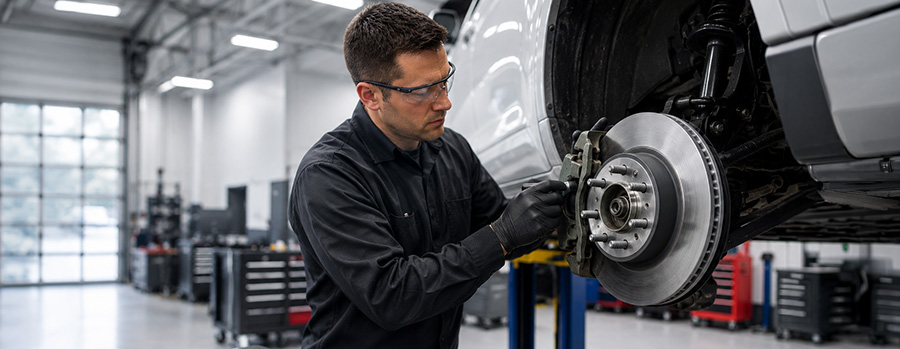
Delaying the service can result in:
●
Worn pads can damage the rotors
underneath
●
Damaged rotors can place extra
strain on calipers
●
Contaminated brake fluid can
reduce hydraulic performance
●
Electronic faults can affect
advanced safety systems
●
Uneven wear can reduce stopping
consistency and handling
Delayed service often leads to more
expensive repairs later. Routine inspections help catch smaller issues before
they worsen. Timely service helps maintain smoother, safer stopping performance
Why Professional GMC Brake Service
Makes a Difference
Brake issues aren’t always caused by
worn-out pads. Uneven rotor wear, contaminated fluid, sticking calipers, or
early electronic faults can all affect stopping performance long before
anything looks obviously wrong. That’s why a proper inspection matters more
than a quick visual check or simple part replacement.
At Rick Weaver GMC, service focuses on
diagnosing the full system, not just the symptoms. Technicians look at how each
component interacts, so small issues don’t quietly turn into bigger repairs.
Inspections typically include:
●
Pad wear and rotor condition
assessment
●
Brake fluid level and quality
check
●
Caliper movement and hardware
inspection
●
Hydraulic system leak detection
●
ABS and assist system diagnostics
This helps identify issues early, improve
braking consistency, and maintain safe stopping performance across everyday
driving conditions. In the end, professional service isn’t just about replacing
worn parts. It’s about making sure every stop feels predictable, stable, and
controlled when it matters most.
Don’t Wait Until Problems Become Impossible to Ignore
Most brake issues don’t start with a
warning light or a loud noise. They begin quietly with a slight vibration, a
softer pedal feel, a faint squeak, or a small change in how the vehicle slows
down. On their own, these signs are easy to dismiss. But they rarely stay small
for long.
Routine GMC brake service helps keep
braking performance consistent and dependable, especially with everyday driving
demands around Edinboro. From winter roads and stop-and-go traffic to towing
and longer highway runs. The goal isn’t just fixing problems when they appear
but catching wear early enough to avoid unnecessary repairs and maintain
control behind the wheel.
If something feels off, or if it’s simply
been a while since your last inspection, the next step is straightforward: get
the system checked before the symptoms progress.
For reliable inspection and service,
visit Rick Weaver GMC, where trained technicians can evaluate your
braking system properly and help keep every stop smooth, safe, and predictable.