
When Was Your Last GMC Oil Change? Here’s Why It Matters
You won’t notice your oil going bad, but your engine will.
Maybe it’s that slightly rough idle while
waiting at a light near downtown Edinboro. Or a faint hesitation when you’re
pulling onto Route 6. Nothing alarming. Just enough to make you wonder if
something’s off.
Here’s the thing: oil doesn’t just "go
bad” overnight. It breaks down slowly, quietly, and most drivers don’t notice
until the engine starts feeling it. At Rick Weaver GMC, one of the most common
things we hear is, "I didn’t realize I was overdue.” And honestly, it’s
easy to miss. Between short drives, cold Pennsylvania mornings, and the kind of
daily use that puts your engine to work, your oil takes more of a hit than
you’d expect.
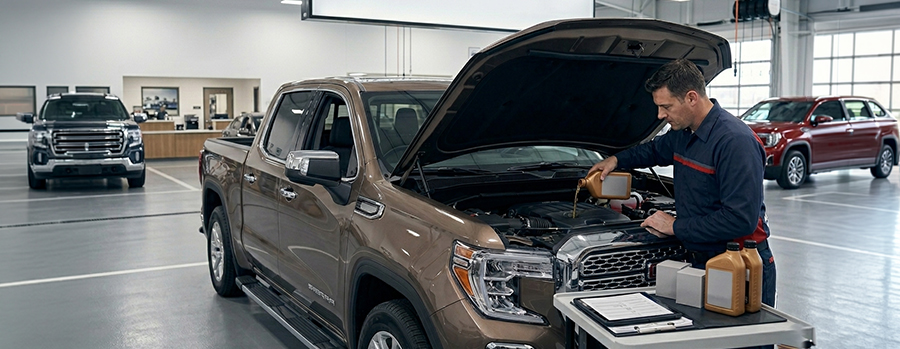
In this blog, we’re breaking down how
often you really need a GMC oil change, the signs your engine might already be
giving you, what happens if you wait too long, and how to stay ahead of bigger
and more expensive problems.
Why Your GMC Oil Change Matters More Than You Think
Your engine is doing more every time you
drive. Heat, friction, and constant movements result in overwork. Clean oil
keeps all of that under control.
●
It lubricates moving parts.
●
It helps regulate temperature.
●
It prevents dirt and buildup from
turning into sludges.
Fresh oil keeps things smooth. Old oil?
It thickens, loses effectiveness, and starts working against your engine
instead of protecting it. And if your daily driving includes stop-and-go
traffic, quick errands, or occasional longer drives out past Edinboro Lake,
your engine is constantly shifting between conditions. That puts even more
pressure on your oil to perform.
Subtle Signs Your Engine Is Asking for an Oil Change
Most engines don’t break down out of
nowhere. They give you small, easy-to-miss signals first.
●
Louder engine noise: Oil isn’t lubricating as well, so parts start sounding rougher than
usual.
●
Dark, dirty oil: Clean oil is amber; if it’s dark and thick, it’s no longer doing its
job.
●
Dashboard warning: A "change oil soon” message or oil light means your system has already
flagged it.
●
Burning smell: Old oil can overheat, giving off a faint burnt odor.
●
Drop in fuel efficiency: Your engine works harder with degraded oil, using more fuel than
usual.
It rarely shows up all at once but builds
overtime. And that’s how most drivers end up overdue without realizing it.
If you can’t take hints, you can always
rely on standard oil change intervals.
How Often Should You Get a GMC Oil Change?
For most modern vehicles, a full
synthetic GMC oil change is recommended every 7,500 to 10,000 miles or at least
once a year. But that’s under ideal conditions.
If you’re driving looks more like:
●
Short trips around town
●
Frequent cold starts (especially
Edinboro winters)
●
Stop-and-go traffic
●
Idling or carrying an extra load
Then your oil may need changing closer to
5,000 to 7,500 miles. That’s where your vehicle’s Oil Life Monitor (OLM) comes
in. It tracks real driving conditions and gives you a more accurate idea of
when your oil actually needs attention.
What Does a GMC Oil Change Cost?
Let’s keep it simple and realistic. For
most drivers in Edinboro, the cost of a GMC oil change is fairly predictable,
especially if you’re using full synthetic oil (which most modern models
require). That said, the final price can vary based on your vehicle and what’s
included in the service.
|
Service Type
|
Estimated
Cost
|
|
Standard engines
|
$70 – $100
|
|
Larger engines or higher-capacity systems
|
$90 – $130+
|
Most GMC dealerships across Pennsylvania
tend to fall within this range, depending on factors like engine size, oil
capacity, and whether your visit includes extras like a tire rotation or
multi-point inspection. It’s also worth checking for a GMC oil change coupon
before you book, as service specials are fairly common and can
bring the cost down.
And if you’re a newer owner, your first
scheduled maintenance visit may include a complimentary oil change as part of a
dealership program (something many drivers don’t realize until after they’ve
already paid out of pocket).
Note: Prices can vary based on your
specific model, engine type (including diesel options like Duramax), oil
requirements, and any ongoing offers. It’s always a good idea to confirm the
exact cost with your dealership before scheduling your service.
What Happens If You Delay Your Oil Change?
If you ignore the warning signs, they
don’t stay that way.
●
Old oil loses its ability to
lubricate properly, increasing friction between engine parts
●
Your engine runs hotter because
degraded oil can’t regulate temperature effectively
●
Internal components wear down
faster due to added stress and heat
●
Contaminants build up over time,
forming sludge that restricts oil flow
●
Overall performance drops as the
engine works harder than it should
Most drivers don’t realize that major
repairs rarely happen suddenly. They build up from small delays that seem
harmless at first. There is no point in delaying the oil change.
Now let’s learn how you can change it
yourself.
Can You Really Handle an Oil Change on Your Own?
The short answer is: Yes, you can handle
an oil change on your own. But it’s a bit more involved than it looks at first
glance. It’s not just about swapping old oil for new; it’s about getting every
step right, so your engine stays protected.
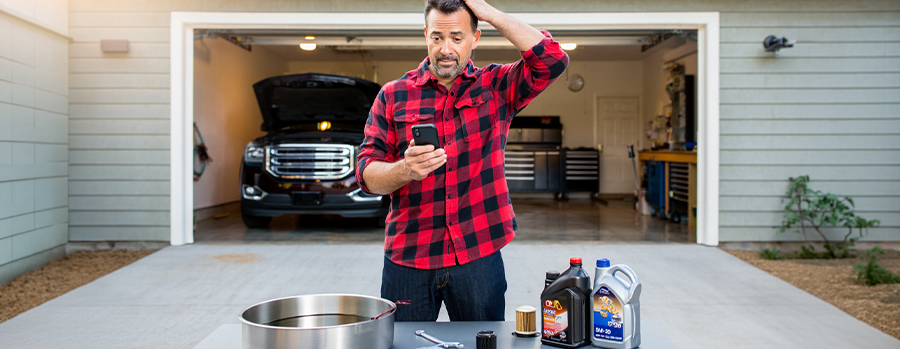
1. Choosing the Right Oil
Most modern models require dexos1 full
synthetic oil, but the exact grade (like 0W-20 or 5W-30) depends on your
engine. Using the wrong type can affect performance and long-term reliability.
2. Getting the Quantity Right
Every engine has a specific oil capacity.
Too little won’t protect properly, and too much can create pressure issues.
Both can cause damage over time.
3. Using the Right Tools
You’ll need more than just oil. Things
like the correct filter, a wrench, a drain pan, and a safe way to lift the
vehicle if needed. Missing even one step can turn a simple job into a messy
one.
4. Handling Disposal Properly
Used oil isn’t something you can just
throw away. It needs to be disposed of safely at a proper facility, which can
be an extra step many people overlook.
That’s where most people hesitate. It’s
less about can you do it and more about doing it right every time. And in some
cases, like if you’re unsure about the oil type, dealing with a larger engine,
or simply don’t have the right setup, it makes more sense to let a professional
handle it.
So, when does it make sense to skip DIY
and head to a dealership instead?
Stay Ahead of Engine Trouble with the Right Service at the
Right Time
At Rick Weaver GMC, an oil change is handled with a clear understanding of what your vehicle actually needs. Right down to the correct oil type, proper quantity, and attention to the details that are easy to miss.
You’re not left guessing if everything
was done right. Along with the oil change, key components are checked to make
sure nothing small turns into a bigger issue later. When technicians work with
these vehicles every day, they know what to look for and how to catch early
signs of wear before they become expensive problems.
It’s a more reliable way to handle
something as routine as an oil change without the uncertainty of doing it
yourself or rushing through a basic service elsewhere. And when everything is
taken care of in one place, staying on top of GMC maintenance becomes much easier.
Oil changes are easy to delay, but
waiting too long is where costs start adding up. If it’s been a while or
something doesn’t feel right, it’s worth getting it checked sooner rather than
later.
If you’re around Edinboro, consider stopping by Rick Weaver GMC for a quick, straightforward service that keeps your engine running the way it should.