
What’s Included in a GMC Multi-Point Inspection?
You're driving along Route 6N on a chilly Edinboro morning, coffee in hand, thinking more about your day ahead than what's happening under the hood. The vehicle starts without complaint, the dashboard looks normal, and everything seems fine.
That's
usually how it goes. The challenge is that many vehicle issues don't begin with
dramatic warning signs. Tires don't always announce they're wearing unevenly.
Batteries rarely schedule a convenient time to fail. And small leaks have a
habit of staying hidden until they become bigger problems.
For many
drivers across Edinboro and Erie County, vehicles aren't just a way to get from
one place to another. They're used for family road trips, hauling equipment,
tackling Pennsylvania winters, commuting on I-90, and handling the demands of
everyday life. Reliability matters because getting stranded is never part of
the plan. That's where a GMC Service visit that includes a multi-point
inspection becomes valuable.
At Rick
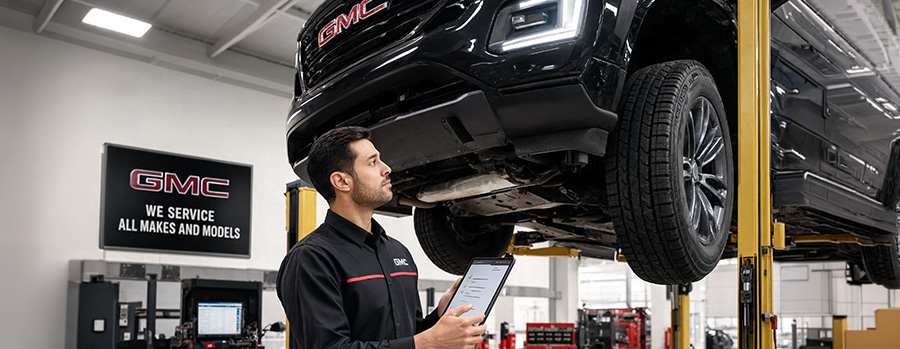
Weaver GMC, multi-point inspections help technicians evaluate key vehicle
systems and identify GMC maintenance concerns before they have an
opportunity to grow into larger repairs. Rather than focusing on a single
component, the inspection provides a broader picture of your vehicle's overall
condition.
In this
guide, we'll break down what a multi-point inspection is, what a GMC
multi-point inspection checklist typically includes, why these inspections
matter, and how they can help drivers stay ahead of unexpected maintenance
issues.
What Is a Multi-Point Inspection and Why Does
It Matter?
Think of a
multi-point inspection as a routine health checkup for your vehicle.
Instead of
looking at just one maintenance item, technicians inspect several critical
systems and components to assess their current condition. The goal isn't to
find something wrong with every vehicle that comes into the service department.
Rather, it's to identify wear, maintenance needs, or developing concerns that
may require attention now or in the future. This can be particularly important
in northwestern Pennsylvania, where vehicles experience changing seasons,
freezing temperatures, potholes, road salt, and fluctuating weather conditions
throughout the year.
A component
may still be functioning properly today while showing signs of wear that could
affect performance months down the road. Identifying those signs early gives
drivers more flexibility when planning maintenance.
So, what
exactly are technicians looking at during the inspection? Let's take a closer
look.
What Is Included in a GMC Multi-Point
Inspection?
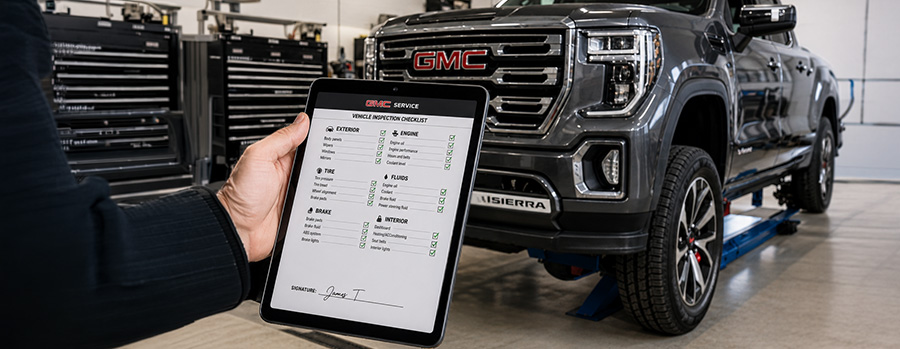
A typical
multi-point inspection covers multiple areas of the vehicle that influence
safety, reliability, and overall performance.
1. Tire Condition and Tire Pressure
Your tires
are the only part of the vehicle that makes direct contact with the road,
making them one of the most important items on any inspection checklist.
Technicians
typically evaluate:
·
Tire tread depth
·
Tire pressure
·
Uneven wear patterns
·
Visible damage
·
Overall tire condition
Uneven tread
wear can sometimes indicate alignment issues, improper inflation, or
suspension-related concerns. Catching these issues early in a GMC tire check may help extend life and improve
vehicle handling.
2. Brake System Components
Brake
performance plays a major role in vehicle safety, which is why brake
inspections are a standard part of most multi-point inspections.
Technicians
may inspect:
·
Brake pad thickness
·
Brake rotor condition
·
Brake fluid levels
·
Visible brake system components
Because
brake wear occurs gradually, many drivers don't notice changes until
performance is significantly affected. Regular inspections help monitor wear
before replacement becomes urgent.
Of course,
stopping safely is only part of the equation. Starting reliably matters just as
much.
3. Battery and Charging System
Pennsylvania
winters have a way of exposing weak batteries at the worst possible moments. A
battery that seemed perfectly healthy in October may struggle during a freezing
January morning.
During a GMC battery inspection, technicians may evaluate:
·
Battery condition
·
Terminal connections
·
Corrosion buildup
·
Charging system performance
·
Visible electrical concerns
Battery
testing and visual inspections can help identify declining performance before
it leads to a no-start situation.
4. Fluid Levels and Fluid Condition
Modern
vehicles rely on several fluids to keep systems operating properly.
A
multi-point inspection often includes checks of:
·
Engine oil
·
Engine coolant
·
Brake fluid
·
Windshield washer fluid
·
Other applicable vehicle fluids
Low fluid
levels or deteriorated fluid condition may indicate maintenance needs that
should be addressed before they affect vehicle operation. While fluids keep
systems functioning, other components work quietly behind the scenes to keep
everything connected and moving.
5. Belts, Hoses, and Under-Hood Components
Many rubber
and plastic components naturally wear over time due to heat, age, and everyday
use.
Technicians
may inspect:
·
Drive belts
·
Cooling system hoses
·
Visible leaks
·
Under-hood component condition
A cracked
belt or deteriorating hose may not immediately impact drivability, but these
components can eventually fail if wear progresses unchecked.
6. Steering and Suspension Components
Whether
you're navigating local roads around Edinboro or spending time on highways
throughout Erie County, steering and suspension systems contribute
significantly to ride quality and vehicle control.
Inspections
may include visual checks of:
·
Shocks and struts
·
Steering components
·
Suspension parts
·
Visible signs of wear or damage
Issues in
these areas can sometimes affect handling, tire wear, and overall driving
comfort.
7. Lights, Wipers, and Visibility Systems
It's easy to
overlook visibility-related components until weather conditions make them
essential.
Technicians
often inspect:
·
Headlights
·
Brake lights
·
Turn signals
·
Windshield wiper blades
·
Washer system operation
Proper
visibility becomes especially important during rain, snow, fog, and early
morning commutes throughout northwestern Pennsylvania.
In many
cases, the biggest benefit isn't finding a problem, it's finding it early.
When Should You Schedule an Inspection?
There isn't
one universal schedule that applies to every driver.
However,
inspections are often beneficial during:
·
Routine GMC oil changes
·
Seasonal maintenance visits
·
Before long road trips
·
Before winter weather
·
Before towing or hauling activities
·
After noticing unusual noises or warning lights
·
During regularly scheduled maintenance appointments
Drivers who
frequently travel long distances, carry heavy loads, or encounter challenging
weather conditions may particularly benefit from regular inspections. The goal
is simple: stay informed about the condition of your vehicle before small
concerns become major interruptions.
Is the Multi-Point Inspection Cost Worth It?
When people
search for multi-point inspection cost, they're usually asking a larger
question: "Does this inspection actually provide value?" For many
drivers, the answer lies in the information gained.
An
inspection can reveal maintenance needs that aren't immediately obvious.
Identifying a worn tire, weak battery, deteriorating belt, or low fluid level
before it creates a larger issue may help drivers make more informed decisions
about future service.
The value
isn't necessarily measured by what happens during the inspection itself. It's
often measured by the problems that may be avoided later.
Looking for a Multi-Point Inspection Near Me?
Why Experience Matters
When
searching for a multi-point inspection near you, it's important to remember
that the quality of the inspection matters just as much as the inspection
itself. Vehicles continue to become more sophisticated, with interconnected
systems that require specialized knowledge and manufacturer-specific training.
At Rick
Weaver GMC, technicians understand the maintenance requirements, inspection
procedures, and vehicle systems found throughout the GMC lineup. Using
manufacturer-recommended processes helps ensure inspections are thorough,
accurate, and tailored to the vehicle being evaluated.
That means
drivers receive meaningful information about their vehicle's condition, not
just a checklist with boxes marked off.
Final Thoughts
Many of the
repairs that catch drivers off guard don't happen overnight. They develop
gradually through everyday driving, changing weather conditions, mileage
accumulation, and normal component wear.
That's why a
GMC Service visit that includes a comprehensive multi-point inspection can play
such an important role in vehicle maintenance. By evaluating critical systems
such as tires, brakes, batteries, fluids, suspension components, and visibility
equipment, technicians can help identify concerns before they affect
reliability, performance, or safety.
If it's been a while since your vehicle's last inspection, consider stopping by Rick Weaver GMC for professional service and stay one step ahead of unexpected maintenance issues.