
How Professional GMC Fluid Maintenance Helps Keep Your Vehicle Running Strong
Every GMC is built to handle thousands of miles of daily driving, whether you're commuting through Erie County, cruising the backroads near Edinboro, or heading out for a weekend adventure across Pennsylvania.
While engines, transmissions, and suspension systems often get the
spotlight, there's another group of components quietly working behind the
scenes to keep your vehicle performing at its best: it's essential fluids.
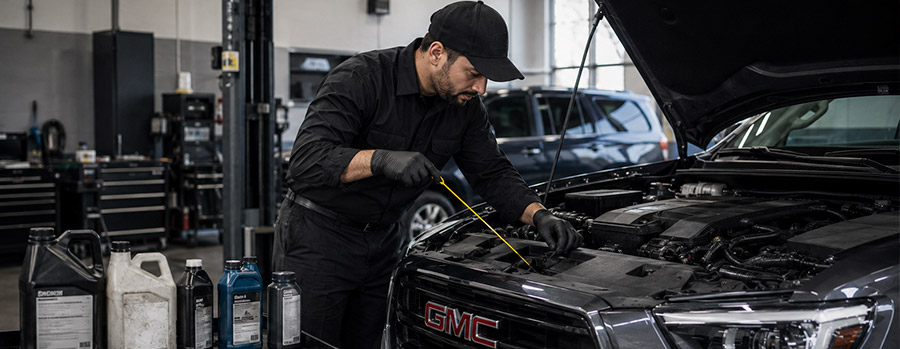
Engine oil, transmission fluid, brake fluid, coolant, and power steering
fluid all play critical roles in protecting your GMC from unnecessary wear.
Ignoring these fluids doesn't just reduce performance; it can eventually lead
to expensive repairs that could have been avoided through routine maintenance.
At Rick Weaver GMC, we believe preventive maintenance is one of the
smartest investments you can make for your vehicle. Here's why professional GMC
fluid maintenance is essential for keeping your GMC reliable for years to come.
Why
Vehicle Fluids Matter More Than Most Drivers Realize
Think of your GMC as a collection of moving mechanical systems.
Every time you accelerate, brake, steer, or shift gears, hundreds of
components move together under high temperatures and tremendous pressure.
Without proper lubrication and hydraulic pressure, these components would
quickly wear out.
Each fluid performs a specific job:
·
Engine oil lubricates internal engine components and carries away heat.
·
GMC transmission fluid lubricates gears while allowing smooth gear
changes.
·
GMC power steering fluid helps create effortless steering response.
·
Brake fluid transfers hydraulic pressure to your braking system.
·
Coolant regulates engine temperature.
Unlike fuel, these fluids don't simply get "used
up." Over time, they become contaminated, lose their protective
properties, absorb moisture, or break down from heat.
That's why regular inspections and scheduled replacement
are important.
GMC
Transmission Fluid: Protecting One of Your Most Expensive Components
Whether you drive a Sierra 1500, Acadia, Terrain, Yukon, or Canyon, your
automatic transmission depends on clean transmission fluid to:
·
Lubricate internal gears
·
Cool transmission components
·
Prevent excessive friction
·
Maintain hydraulic pressure
·
Deliver smooth shifting
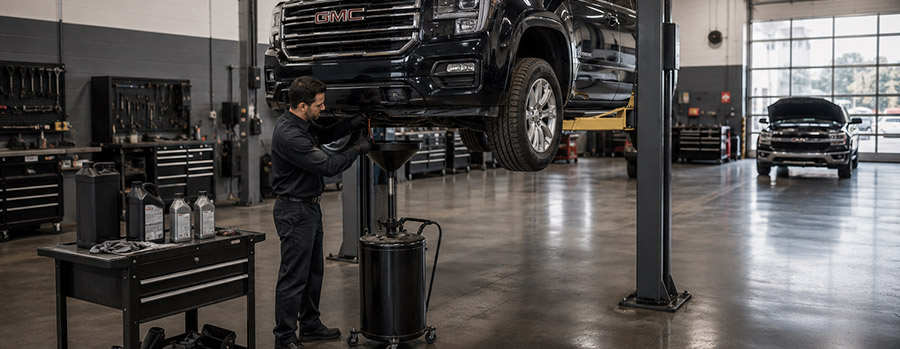
As transmission fluid ages, heat gradually causes it to oxidize. Tiny
metal particles from normal wear also begin circulating through the system.
Eventually, the fluid loses its ability to protect internal components.
Some early warning signs include:
·
Delayed shifting
·
Hard or rough gear changes
·
Transmission slipping
·
Burning smell
·
Transmission overheating
·
Transmission warning light
These symptoms should never be ignored.
Scheduling a professional GMC transmission fluid change before major
problems develop is significantly less expensive than replacing an entire
transmission.
When
Should GMC Transmission Fluid Be Changed?
Many drivers assume transmission fluid lasts forever.
It doesn't.
While service intervals vary depending on your model, driving habits,
and whether you regularly tow or haul heavy loads, most GMC vehicles benefit
from periodic transmission fluid replacement according to the manufacturer's
maintenance schedule.
If you frequently experience:
·
Heavy stop-and-go traffic
·
Trailer towing
·
Mountain driving
·
Extreme temperatures
·
Frequent short trips
Then your transmission works much harder than normal.
Under these severe driving conditions, more frequent transmission service may be recommended.
A certified GMC technician can inspect your fluid condition and
recommend the proper service interval for your specific vehicle.
GMC
Power Steering Fluid Keeps Steering Smooth
Although many newer GMC models now feature electric power steering, many
vehicles on the road still rely on hydraulic steering systems. In these
vehicles, GMC power steering fluid plays a vital role bygenerating the hydraulic pressure needed to deliver smooth, responsive
steering.
Over time, however, the fluid begins to break down. Heat, moisture, tiny
metal particles, and debris from aging seals gradually contaminate the system,
reducing its effectiveness. As this happens, you may begin to notice warning
signs such as a whining noise while turning, increased steering effort, jerky
steering response, or even fluid leaks beneath your vehicle.
Ignoring these symptoms can place additional strain on major steering
components, including the power steering pump and steering rack. Addressing
aging or contaminated power steering fluid early through routine maintenance is
a far more affordable solution than replacing these critical components later
on.
Why
Brake Fluid Maintenance Is Critical
Far fewer realize their brake fluid also requires maintenance.
Unlike engine oil, brake fluid is hygroscopic, meaning it naturally
absorbs moisture from the surrounding air.
Over time, that moisture lowers the fluid's boiling point.
During repeated hard braking, especially when descending steep grades or
during emergency stops, the fluid can begin to boil, creating tiny air bubbles
inside the hydraulic system.
Since air compresses but fluid does not, your brake pedal can suddenly
feel soft or spongy.
That's one reason why brake fluid maintenance is considered a critical
safety service.
Warning
Signs Your Vehicle Fluids Need Attention
Your GMC often provides early warning signs before a fluid-related issue
turns into an expensive repair. Recognizing these symptoms early allows you to
address the problem before it affects your vehicle's performance, safety, or
reliability.
Keep an eye out for warning signs such as:
·
Difficulty shifting or delayed gear engagement
·
Heavy or unusual steering effort when turning
·
A soft or spongy brake pedal during braking
·
Dashboard warning lights related to your engine, transmission, or
braking system
·
Fluid leaks beneath your vehicle
·
Burning odors
·
Engine overheating
·
Unusual vibrations while driving
While these symptoms may seem minor initially, they should never be
ignored. Having your GMC inspected promptly can help prevent small maintenance
issues from turning into costly repairs.
Transmission
Fluid Maintenance Tips for Long-Term Reliability
Your transmission works under constant heat and pressure, making routine
maintenance one of the best ways to extend its lifespan. Following a few simple
habits can help keep it operating smoothly and reduce the risk of premature
wear.
To protect your transmission:
·
Follow the service intervals recommended in your GMC owner's manual.
·
Schedule more frequent inspections if you regularly tow, haul heavy
loads, or drive in stop-and-go traffic.
·
Don't ignore rough or delayed shifting, as these are often early signs
of transmission problems.
·
Repair transmission fluid leaks promptly to
prevent low fluid levels and internal damage.
·
Always use GMC-approved transmission fluid to ensure proper lubrication
and hydraulic performance.
Combined with routine inspections by certified GMC technicians, these
maintenance practices can help your transmission deliver dependable performance
for many miles to come.
Keep
Your GMC Performing at Its Best
Routine fluid maintenance may not seem exciting, but it remains one of
the most valuable services you can perform for your vehicle.
Fresh transmission fluid keeps gear changes smooth. Clean power steering fluid maintains confident
handling. Proper brake fluid delivers dependable stopping power. Fresh coolant
protects your engine through every season.
Together, these maintenance services help extend vehicle life, improve
reliability, and reduce the likelihood of costly repairs.
Whether your GMC is due for a transmission fluid change, needs brake
fluid maintenance, or requires inspection of its power steering fluid, the
certified service team at Rick Weaver GMC is here to help.
Schedule your next maintenance appointment with Rick Weaver GMC today and keep your GMC running as confidently as the day you drove it home.