Vehicle Camera and Sensor Calibration: When Is It Needed and Why Does It Matter?
Today's vehicles can do more than alert drivers to potential hazards. Depending on their equipment, they may also help maintain lane position, monitor nearby traffic, maintain a set following distance, or apply braking assistance when a collision risk is detected.
These
features rely on advanced driver-assistance systems (ADAS), which use cameras,
radar sensors, and other components to interpret the vehicle’s surroundings.
For these systems to work as designed, their components must be properly
positioned and functioning according to manufacturer specifications.
When a
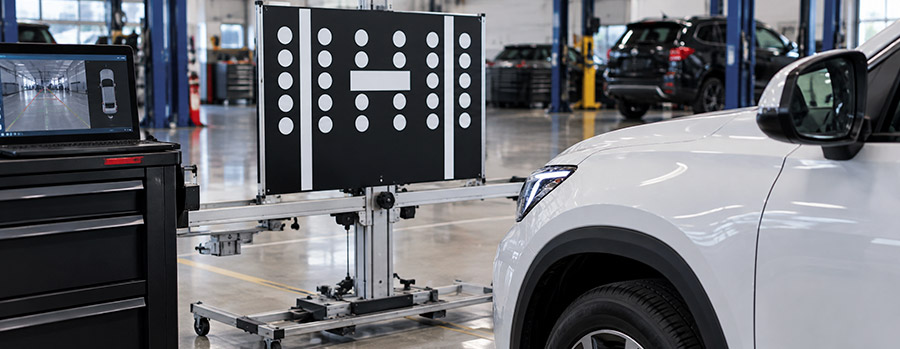
camera or sensor is disturbed during a repair, even a small change in its
position can affect system performance. That is why camera and sensor
calibration may be necessary after certain repairs or component replacements.
At Rick
Weaver GMC, located at 714 W. 12th St. in Erie, Pennsylvania, drivers can
discuss vehicle service and diagnostic concerns with the service team. Here is
what to know about calibration, the situations that may require it, and the
warning signs worth paying attention to.
Understanding ADAS Calibration
Calibration
is the process of adjusting or verifying a camera or sensor so it meets the
specifications required by the vehicle manufacturer. It helps ensure the
component provides information that the associated driver-assistance system can
interpret correctly.
For
example, a forward-facing camera may help a vehicle recognize lane markings or
detect vehicles ahead. Radar sensors, when equipped, can measure the distance
and relative speed of objects. Other cameras may support parking assistance or
surround-view displays.
If one
of these components is replaced, removed, reinstalled, or affected by a repair,
the vehicle may require a specific calibration or initialization procedure.
Not
every vehicle uses the same technology, and not every repair requires
calibration. The appropriate steps depend on the vehicle's year, make, model,
equipment, and manufacturer service instructions.
Three Situations That May Call for
Calibration
Certain
repairs can affect the position or operation of ADAS components. Knowing when
to ask about calibration can help you avoid overlooking an important part of
the repair process.
1.
Windshield Replacement
Some
vehicles have a forward-facing camera mounted near the rearview mirror.
Depending on the vehicle, this camera may support lane departure warnings,
lane-keeping assistance, forward collision alerts, or automatic emergency
braking.
Replacing
the windshield can affect the camera's position or its view through the glass.
On vehicles with applicable requirements, calibration may be needed after the
windshield is replaced or the camera is removed and reinstalled.
If you
are arranging windshield work, check whether the vehicle manufacturer specifies
a calibration procedure for its camera system.
2.
Collision Damage and Exterior Repairs
A
collision can affect more than the visible body panels. Sensors, mounting
brackets, bumper assemblies, grille areas, and nearby wiring may also be
damaged or displaced.
Some
vehicles have radar sensors behind the front grille or bumper, while cameras
may be installed in the grille, mirrors, windshield, or rear of the vehicle.
Repairs involving these locations may require inspection, calibration,
programming, or another manufacturer-specified procedure.
Even
when the damage appears minor, the affected systems should be evaluated
according to the appropriate repair information.
3.
Suspension Repairs and Wheel Alignment
Suspension
components and wheel alignment influence how a vehicle sits and travels on the
road. On certain vehicles, changes resulting from repairs may affect the
reference measurements used by driver-assistance systems.
However,
calibration is not automatically required after every alignment or suspension
service. The vehicle's manufacturer procedures determine whether an ADAS
inspection or calibration is necessary.
Signs Your Vehicle’s Driver-Assistance
Systems Need Attention
A
malfunctioning system may display a dashboard warning, but some problems can
occur without an obvious alert. Changes in how a feature operates are worth
investigating, especially after an accident or repair.
Watch
for signs such as:
·
A dashboard message stating that a safety or driver-assistance feature
is unavailable.
·
Lane monitoring or lane-keeping assistance behaving differently than
expected.
·
Adaptive cruise control failing to engage or operating inconsistently.
·
Forward collision alerts appearing unexpectedly.
·
Blind-spot monitoring or parking assistance behaving unusually.
·
Camera or sensor warnings that persist after the affected area has been
cleaned.
These
symptoms do not necessarily mean the system needs calibration. Dirt, snow, ice,
heavy rain, obstructed sensors, damaged wiring, faulty components, and
software-related issues can also interfere with performance.
A proper
diagnosis helps identify the cause before a repair is selected.
Camera Calibration: Restoring the Correct
Reference Point
Vehicle
cameras need to be positioned and configured according to the specifications of
the systems they support. If a camera is replaced or its mounting position
changes, the manufacturer may require a calibration procedure.
Depending
on the vehicle, this may involve specialized targets, dedicated equipment, a
controlled workshop environment, or a prescribed driving procedure. Some
systems require more than one step.
For
instance, certain GMC vehicles may have cameras that support Forward Collision
Alert, lane-related assistance, or surround-view features. The exact
requirements differ by model and equipment, so technicians must use the correct
service information rather than applying a universal procedure.
Radar Sensor Calibration: Supporting Accurate
Detection
Radar
sensors help equipped vehicles detect objects and estimate their distance and
relative speed. Depending on the system, this information may support adaptive
cruise control, forward collision alerts, or automatic emergency braking.
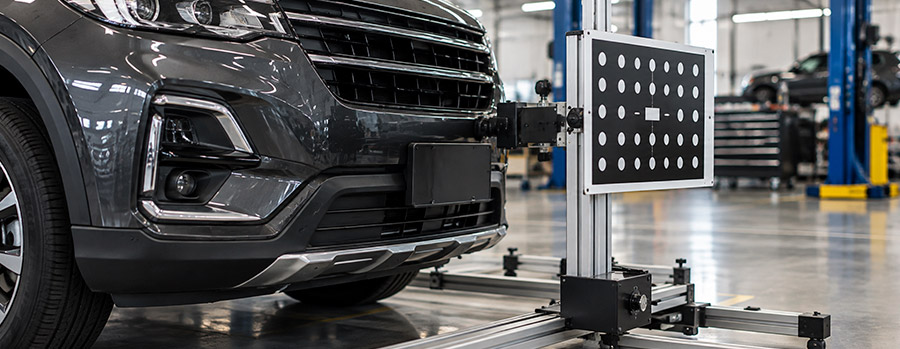
Radar
units are often mounted behind exterior panels, including grille or bumper
areas. If a sensor or its mounting hardware is replaced, removed, or affected
by collision damage, the manufacturer may specify calibration or other service
steps.
A
warning light alone does not establish that the radar unit needs recalibration.
Diagnosis may involve inspecting the sensor and mounting area, scanning the
vehicle's electronic systems, and following the manufacturer's diagnostic
procedure.
Why Post-Repair Checks Matter
Completing
a body repair does not necessarily mean every electronic safety system has been
restored to its intended condition. After certain collision repairs,
technicians may need to check affected components and confirm that all required
procedures have been completed.
Depending
on the vehicle, this process may include:
·
Scanning electronic systems before repairs.
·
Identifying components or mounting locations affected by the damage.
·
Checking manufacturer requirements for calibration, aiming, or
initialization.
·
Performing required procedures after repairs.
·
Completing a post-repair scan and any other specified verification
steps.
Diagnostic
trouble codes can help technicians investigate a problem, but a code alone does
not prove that a particular part must be replaced or that calibration will
resolve the issue. Manufacturer-specific diagnostic information is essential to
determining the correct next step.
Vehicle Service and Diagnostics at Rick
Weaver GMC in Erie, PA
Whether
you drive a GMC Sierra, Acadia, Terrain, or another vehicle, it is important to
pay attention to driver-assistance warnings and unexpected changes in system
behavior. The features installed and the procedures required will vary by
vehicle.
Rick
Weaver GMC is serving drivers in Erie and surrounding communities. If your
vehicle has displayed an ADAS warning or recently undergone windshield,
collision, or related repairs, contact the service department to discuss your
concerns and determine what inspection may be appropriate.
The dealership's service team works with multiple makes and models. A vehicle-specific assessment can help establish whether the concern involves a sensor, camera, wiring issue, obstruction, calibration requirement, or another fault.