
GMC Brake Maintenance Tips: Safer and Smoother Stops for the Everyday Driver
Your GMC does a lot of work every time you get behind the wheel. Whether you're commuting through Erie, driving along the Lake Erie shoreline, navigating winter roads, or heading out on a longer Pennsylvania road trip, your brakes need to respond reliably whenever you press the pedal.
Brake components naturally
wear over time. Stop-and-go traffic, frequent short trips, towing, heavy
loads, hills, and changing weather conditions can all affect how quickly your
brakes wear.
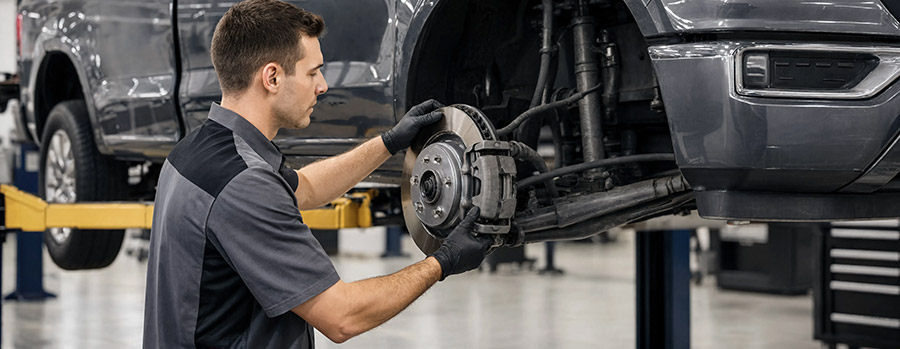
That's why brake maintenance shouldn't be
something you think about only after you hear a strange noise.
At Rick Weaver GMC, our Certified Service
experts can inspect your GMC's braking system and help keep it operating as
designed.
Here are some important brake maintenance
tips for GMC drivers in the Erie area.
1.
Listen for Squealing, Chirping, or Grinding
Your GMC can give you an early warning
when its brakes need attention.
High-pitched squealing, chirping, or
whistling when braking can indicate that your braking system needs to be
inspected. Grinding is even more concerning and can indicate significant
brake-pad wear or contact between metal components.
Rick Weaver GMC specifically identifies
chirping, squealing, whistling, shaking while stopping, and grinding as warning
signs that your GMC's brakes may need service.
If you've started noticing a new brake
noise while driving around Erie, don't assume it will disappear on its own.
Getting the system inspected early may
help prevent additional damage.
2. Pay Attention to How Your Brake Pedal Feels
Your brake pedal should feel consistent
every time you use it.
If your pedal suddenly feels different,
it's worth having the braking system inspected.
Potential warning signs include:
·
A soft or spongy pedal
·
A pedal that sits lower
than usual
·
Increased pedal travel
·
Needing more pressure to
slow the vehicle
·
Pulsation or vibration
while braking
A change in pedal feel can have several
possible causes, including brake-fluid problems, worn components, or issues
within the hydraulic braking system.
Because your brakes are a critical safety
system, don't ignore a noticeable change.
3. Keep Up With Brake Fluid
Maintenance
Brake fluid plays an essential role in
your GMC's braking system.
When you press the brake pedal, hydraulic
pressure transfers through the brake fluid to help activate the components that
slow your vehicle.
Over time, brake fluid can absorb
moisture or become contaminated. Leaks can also cause fluid levels to fall.
That's why brake fluid maintenance
deserves attention alongside brake-pad and rotor inspections.
Potential warning signs include:
·
Low brake-fluid levels
·
A soft brake pedal
·
Brake warning lights
·
Visible fluid leaks
·
Changes in braking
performance
Brake-fluid maintenance requirements can
vary depending on your GMC model and driving conditions. Your owner's manual
provides model-specific information, while a qualified technician can help
determine whether your vehicle needs attention.
4. Don't Ignore a Brake Warning Light
Your GMC's dashboard is designed to alert
you when certain systems need attention.
If a brake warning light illuminates,
don't automatically assume it's just a reminder.
Depending on the vehicle and situation,
the warning may relate to the parking brake, brake fluid, braking system, or
another brake-related function.
If the warning remains illuminated after
you've released the parking brake, have your GMC inspected.
Addressing a warning while you're still
driving around Erie is much better than discovering a serious braking problem
during a longer trip.
5. Watch for Pulling or Shaking When Braking
Does your GMC pull toward one side when
you brake?
Do you feel a vibration through the
steering wheel or brake pedal?
These symptoms can indicate that your
braking system needs attention.
Potential causes can include uneven brake
wear, rotor issues, sticking brake components, or other problems affecting the
braking system.
Vibration or pulsation during braking is
particularly worth investigating.
If your GMC doesn't brake as smoothly as
it used to, schedule brake service rather than adjusting your driving
habits around the problem.
6. Consider Erie Driving Conditions
Where and how you drive can influence
brake wear.
Erie drivers deal with a mixture of city
streets, highways, traffic, hills, and seasonal weather conditions. Frequent
stop-and-go driving can require more braking than steady highway driving.
Winter conditions can also make road
surfaces more challenging, while road salt and moisture can contribute to
corrosion and other vehicle-maintenance concerns.
That doesn't mean your GMC's brakes will
necessarily wear faster simply because you live in Erie. However, your actual
driving conditions should be considered when determining how often your braking
system needs inspection.
If you regularly drive in heavy traffic,
make frequent short trips, tow, or carry heavy loads, more frequent inspections
may be worthwhile.
7. Towing With Your GMC? Don't Overlook the Brakes
GMC trucks and SUVs are often used for
towing.
Whether you're pulling a trailer, boat,
camper, or other equipment, additional weight increases the demands placed on
your vehicle.
Before a major towing trip, have your
GMC's braking system inspected if it hasn't been checked recently.
Pay attention to:
·
Brake-pad condition
·
Rotor condition
·
Brake-fluid level
·
Brake warning lights
·
Brake pedal feel
·
Trailer brake operation,
if equipped
·
Tire condition and
pressure
Your trailer's
braking system should also be inspected and maintained according to its
requirements.
A pre-trip brake maintenanceinspection can give you greater confidence before towing through Erie County or
heading farther across Pennsylvania.
8. What Does "Brake Maintenance Mode" Mean?
If you've searched for brake
maintenance mode, you may be referring to a service mode associated with
electronic parking-brake systems.
Some vehicles require the electronic
parking brake to be placed into a specific service position before certain
rear-brake repairs can be performed. This allows the mechanism to be safely
retracted while the brake components are serviced.
However, the exact procedure varies by
vehicle and model year.
Don't assume that a procedure you found
online applies to your particular GMC. If your GMC has an electronic parking
brake and you're preparing for brake work, consult the owner's manual or have
the work performed by a qualified technician.
How Often Should Erie Drivers Have Their GMC Brakes
Inspected?
There's no universal mileage number that
guarantees when every GMC will need brake service.
Brake wear depends on factors including:
·
Driving habits
·
Traffic conditions
·
Vehicle weight
·
Towing and hauling
·
Terrain
·
Brake-component materials
·
GMC model and
configuration
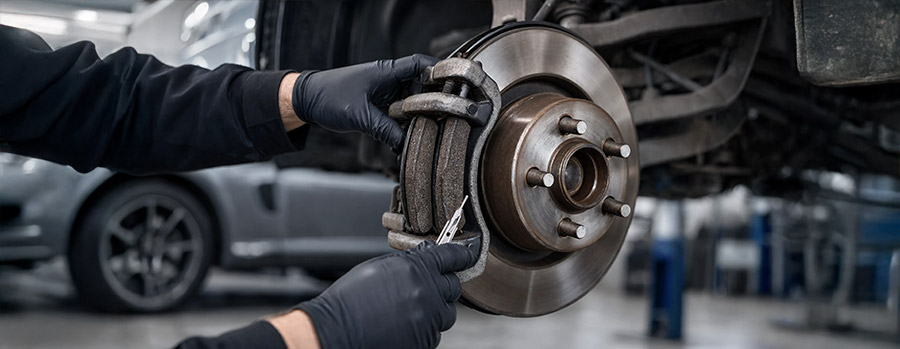
Rick Weaver GMC recommends brake
inspection or service at least every 7,500 miles, while noting that brake
components can wear at different rates depending on driving conditions.
It's also important to have your brakes
checked whenever you notice unusual sounds, pedal pulsation, vibration, warning
lights, or changes in stopping performance.
Keep Your GMC Ready for Erie Roads
Your GMC is built to handle everyday
driving, highway trips, towing, hauling, and changing road conditions. But
dependable performance starts with proper maintenance.
If you've noticed squealing, chirping,
grinding, shaking while stopping, a soft brake pedal, or a brake warning light,
don't wait until the problem becomes more serious.
Regular brake maintenance can help you
stay ahead of wear and identify potential problems before they affect your
ability to stop.
At Rick Weaver GMC in Erie, our Certified
Service team can help with brake inspections, brake service, brake repair, and
other routine GMC maintenance.
If your GMC's braking performance has changed, schedule brake service at Rick Weaver GMC and keep your next Erie drive moving with confidence.