
Steering Wheel Vibration: Common Causes, Warning Signs, and What to Do
Your GMC is designed to deliver a controlled and predictable driving experience. So when the steering wheel starts shaking, vibrating, or shimmying, it's something worth paying attention to.
Steering
wheel vibration can show up in different ways. You might notice a shake at
certain speeds, feel a pulsation when braking, or experience more vibration
when traveling over rough roads. The source isn't always the steering system
itself, either.
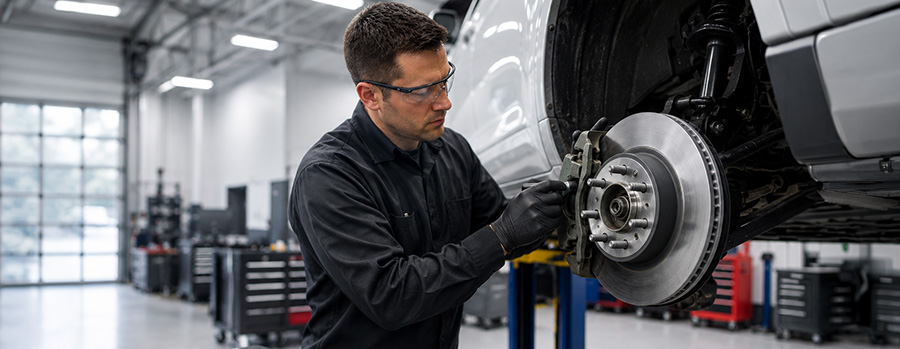
Tires,
wheels, alignment, brakes, suspension components, and steering parts can all
contribute to vibration that you feel through the wheel.
If your
GMC has started vibrating while driving around Erie or the surrounding
Northwestern Pennsylvania area, noticing exactly when the vibration occurs
can help point toward the potential cause.
What Can Cause a GMC Steering Wheel to
Vibrate?
There
isn't one universal cause of steering wheel vibration. The symptom can result
from something as straightforward as an unbalanced tire or as involved as a
worn suspension or steering component.
One of
the most useful clues is when the vibration occurs.
|
When You Notice the Vibration
|
Possible Cause
|
|
At certain
speeds
|
Tire or wheel imbalance
|
|
Mainly when
braking
|
Brake or rotor-related
concerns
|
|
Over bumps or
rough pavement
|
Suspension or steering
components
|
|
During
acceleration
|
Axle or
drivetrain-related issues
|
|
At multiple
speeds
|
Tire, wheel, alignment,
suspension, or steering concerns
|
|
Along with
uneven tire wear
|
Alignment or suspension
problems
|
Understanding
this pattern can help determine what areas of your GMC should be inspected.
1. An Unbalanced Tire or Wheel Could Be the
Problem
Tire and
wheel balance is an important part of a smooth ride. If the weight of the tire
and wheel assembly isn't distributed evenly, you may begin to feel vibration as
the vehicle reaches certain speeds.
The
problem can develop for several reasons. A wheel weight may come loose, a tire
may change as it wears, or an impact with a pothole or curb may affect the
wheel and tire assembly.
You may
feel the vibration primarily through the steering wheel, although an imbalance
can sometimes be felt through the floor or seat as well.
If your
GMC drives smoothly at lower speeds but develops a noticeable shake as your
speed increases, checking tire and wheel balance is a logical place to start.
2. Wheel Alignment May Be Affecting Your GMC
Proper
wheel alignment helps your GMC track correctly and allows the tires to wear
more evenly.
An
encounter with a pothole, curb, or other road hazard can potentially affect
alignment. When that happens, vibration may be accompanied by other symptoms
that can make the problem easier to recognize.
You
might notice that your GMC:
·
Pulls toward the left or right
·
Has a steering wheel that isn't centered while driving straight
·
Develops uneven tire wear
·
Feels different through corners
·
Doesn't track as consistently as it normally does
Alignment
isn't necessarily the cause of every steering wheel vibration, but it should be
considered when shaking occurs alongside pulling or unusual tire wear.
3. Tire Wear or Damage Can Create Vibration
Your
tires have a major influence on how your GMC feels on the road. As tires
accumulate mileage, their condition can change, and uneven wear can create
vibration.
Incorrect
tire pressure, alignment issues, worn suspension components, improper rotation,
and normal tread wear can all affect tire condition.
A tire
can also sustain damage after hitting a pothole or curb.
Look for
visible warning signs such as uneven tread, cracks, bulges, or other
abnormalities. However, some tire problems aren't obvious from a quick visual
inspection.
If the
vibration continues or becomes more noticeable, having the tires and wheels
professionally inspected can help determine whether tire condition is
contributing to the problem.
4. Brake Problems Can Cause Vibration While
Stopping
When
does the steering wheel shake?
If the
answer is mainly when you apply the brakes, the braking system deserves
closer attention.
Your
GMC's brake system operates under significant friction and heat. Brake rotors,
pads, calipers, and related components can develop problems that may produce
vibration during deceleration.
You may
also notice other symptoms, including:
·
Brake pedal pulsation
·
Unusual brake noises
·
Changes in braking feel
·
Steering wheel shaking while slowing down
·
Longer or less predictable braking
A
vibration that occurs only during braking is different from one that's present
while cruising. If you consistently feel a shake through the steering wheel
whenever you stop, schedule a brake inspection.
5. Suspension Wear Can Lead to Steering Wheel
Shake
Your
GMC's suspension system helps keep the tires connected to the road while
supporting handling and ride comfort.
Suspension
components experience considerable stress over time. Parts such as shocks,
struts, control arms, bushings, and ball joints can wear or become damaged.
A
suspension problem may produce several symptoms at once. Along with vibration,
you could experience unusual noises, uneven tire wear, excessive bouncing, or
changes in how your GMC handles.
If the
vibration becomes particularly noticeable when driving over potholes, bumps, or
uneven pavement, the suspension may be one area worth investigating.
Because
several suspension components can produce similar symptoms, an inspection is
important for identifying the actual source.
6. Steering Components May Also Need
Inspection
Although
steering wheel vibration doesn't always originate in the steering system, worn
steering components can affect how your GMC responds to driver input.
Depending
on the model, components such as tie rods, steering linkage, and other related
parts help connect your steering input to the vehicle's wheels.
Watch
for additional warning signs such as:
·
Excessive steering wheel play
·
Difficulty keeping the GMC traveling straight
·
Knocking or clunking sounds
·
Changes in steering response
·
A loose or unusual steering feel
If
vibration is accompanied by noticeable changes in steering behavior, it's
important to have the vehicle inspected rather than continuing to drive without
determining the cause.
7. A Bent or Damaged Wheel Could Be Causing
the Shake
A
pothole or curb impact can sometimes cause more damage than you initially
realize.
A wheel
can become bent or damaged after a significant impact, potentially preventing
the tire from rotating as smoothly as it should. The resulting vibration may
become more noticeable at certain speeds.
Wheel
damage isn't always easy to spot while the wheel is still installed on the
vehicle.
If your
GMC started vibrating shortly after hitting a pothole or curb, tell the service
team about the impact. Knowing when the vibration began and what happened
immediately beforehand can provide a useful diagnostic clue.
When Should You Get a Vibrating Steering
Wheel Checked?
It's
easy to dismiss a minor vibration if your GMC otherwise seems to drive
normally. However, a persistent vibration shouldn't simply become something you
learn to live with.
Have
your GMC inspected if the vibration occurs alongside:
·
Uneven or accelerated tire wear
·
Pulling to one side
·
Excessive steering wheel movement
·
Knocking, clicking, or grinding noises
·
Vibration that increases with speed
·
Steering wheel shaking during braking
·
Changes in handling
·
Changes in braking performance
·
A recent pothole or curb impact
A sudden
or severe vibration deserves particular attention. If you experience a major
change in steering or braking behavior, avoid unnecessary driving until the
vehicle can be evaluated.
How Can You Help Prevent Steering Vibration?
Regular
maintenance can help reduce the likelihood of some common causes of steering
wheel vibration.
Start
with the basics. Check your GMC's tire pressure regularly and follow the
recommended tire rotation schedule. Have unusual tread wear investigated rather
than waiting until the tires are significantly worn.
Wheel
alignment should also be checked when appropriate, particularly after a
substantial impact or when symptoms such as pulling or uneven tire wear appear.
It's
also important to pay attention to changes in how your GMC feels. A vibration
may begin as a minor annoyance before becoming more pronounced.
For
model-specific maintenance schedules, tire specifications, and other
recommendations, consult your GMC owner's manual.
GMC Service in Erie, PA
Steering
wheel vibration can originate from several different areas of a GMC. Tires,
wheels, alignment, brakes, suspension, and steering components can all
contribute, which makes identifying the underlying cause more important than
simply treating the symptom.
If your
GMC steering wheel has started shaking while driving around Erie, PA, or
traveling through the surrounding area, Rick Weaver GMC can help
determine what may be behind the vibration.
Whether the shaking appears at highway speeds, during braking, over rough pavement, or after a pothole impact, don't ignore a change in how your GMC feels behind the wheel.