
Seeing Clearly Through Lake-Effect Snow: Wipers, Washer Fluid, Defrosters & Headlights
The systems that keep your view clear - wiper blades, washer fluid, defrosters, and headlights - are some of the simplest and most affordable parts of your vehicle to maintain. Let’s take a look at what each system does, the warning signs to watch for, and simple habits that help you see clearly all winter long.
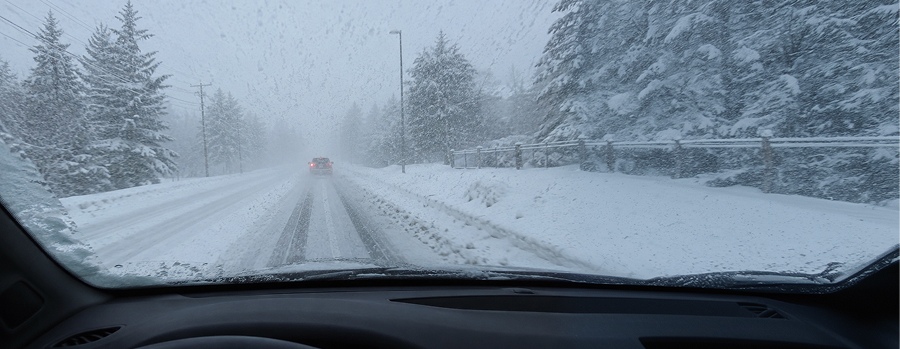
If you’ve lived in Erie, Girard, Edinboro, or Conneaut for even one winter, you know the moment. You’re cruising along I-90 or heading down Peach Street under a calm sky, and then a lake-effect band rolls off Lake Erie. Within minutes, the road ahead disappears into a wall of white. The wipers are working overtime, and your windshield is collecting slush faster than you can clear it.
In
Northwest Pennsylvania, winter driving isn’t just about traction. It’s about
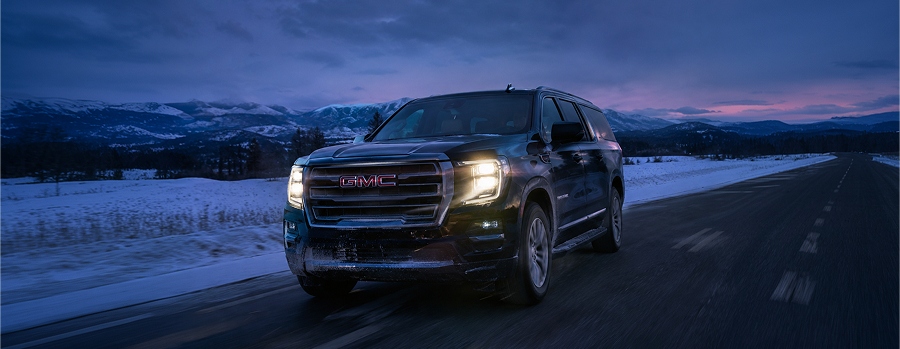
visibility. You can have a capable GMC Sierra, Yukon, Acadia, or Terrain with a
well-maintained drivetrain, but if you can’t see the road, the brake lights
ahead of you, or the snowplough pulling out of a side street, everything else
becomes harder.
The good
news is that the systems that keep your view clear - wiper blades, washer
fluid, defrosters, and headlights - are some of the simplest and most
affordable parts of your vehicle to maintain. Let’s take a look at what each
system does, the warning signs to watch for, and simple habits that help you
see clearly all winter long.
Why Lake-Effect Snow Is a Visibility Challenge
Lake-effect snow
forms when cold air moves across the relatively warm waters of Lake Erie, picks
up moisture, and drops it as snow on the communities downwind. Erie sits right
in that path. Seasons with more than 100 inches of snow are not unusual. The
heaviest lake-effect events often arrive in November and December, when the
lake is still warm compared to the air above it.
What makes
lake-effect snow different from a typical winter storm is how fast and how
locally it hits. One part of Erie County may have bright skies while a few
miles away, drivers near Edinboro or along the lakeshore are dealing with heavy
blowing snow. Conditions can change in the time it takes to drive from Girard
into downtown Erie.
For your vehicle,
that means:
§
Sudden whiteouts that demand wipers
and headlights that work right now, not after a few extra swipes.
§
Constant road spray of salt, brine, and
slush from the vehicles around you.
§
Rapid temperature swings that cause fogging
inside the glass and icing outside.
§
Short daylight hours, meaning many
commutes start and end in the dark.
Each of these adds
stress to a different part of your visibility system. Let’s look at them one at
a time.
Wiper Blades: Your First Line of Defence
Wiper blades are easy
to forget until they fail. Most drivers don’t think about them until the
windshield is streaking in the middle of a snow squall. Wiper rubber breaks
down over time from sunlight, heat, cold, and road grime, and summer UV
exposure can leave blades hardened and cracked by the time the first
lake-effect bands arrive.
Signs your
wipers need attention
§
Streaks or smears left behind after each pass
§
Chattering, skipping, or squeaking across the
glass
§
Unwiped sections in the middle of your view
§
Cracked, torn, or stiff rubber edges
§
Bent frames or blades that no longer sit flat
on the glass
Consider
winter-ready wiper blades
Standard blades with
exposed frames can collect ice and snow in their joints, which keeps the rubber
from pressing evenly against the windshield. Winter-style and beam-style blades
are designed with fewer exposed moving parts, which can help them resist ice
buildup. Our service advisors can help you choose blades that fit your GMC
model.
Smart wiper
habits for Erie winters
§
Don’t use wipers to clear heavy ice. Scrape and defrost
first. Forcing wipers through ice can tear the rubber and strain the wiper
motor and linkage.
§
Lift wipers off the glass when parking
outdoors overnight before an expected snowfall, so they don’t freeze to the
windshield.
§
Check that the blades are free before turning them
on in the morning. A frozen blade combined with a running wiper motor is a
recipe for damage.
§
Don’t forget the rear wiper. On SUVs like the
Yukon, Acadia, and Terrain, the rear glass collects a surprising amount of road
spray.
As a general rule,
many drivers replace wiper blades at least once a year. In a climate like ours,
fall is an ideal time to make that change.
Washer Fluid: Not All Fluids Are Created Equal
On a dry day, washer
fluid seems like an afterthought. On a slushy day on I-79, when the truck ahead
is throwing up a constant film of road salt, it becomes one of the most
important fluids in your vehicle. Salt residue dries into a hazy layer that
scatters headlight glare and oncoming lights, especially at night.
Use a winter-rated
formula
Summer or "bug wash”
washer fluids may not be rated for freezing temperatures. In an Erie winter,
that fluid can freeze in the reservoir, the lines, or the spray nozzles,
leaving you with no way to clean the windshield when you need it most. Choose a
washer fluid labelled for winter or sub-freezing use, and check the temperature
rating on the label.
Keep it topped off
In heavy salt-spray conditions, it’s possible
to go through a full reservoir far faster than you would in summer. Keep the
reservoir full and consider keeping an extra jug in your garage. Never
substitute plain water in winter. It can freeze and may damage the system.
Watch for these
warning signs
§
Weak or uneven spray
§
Fluid that sprays to the side or over the
roof
§
No spray at all, even with a full reservoir
§
A washer pump you can hear running but isn’t
delivering fluid
These can point to
clogged nozzles, frozen or cracked lines, or a failing pump. A quick inspection
can usually identify the cause.
Defrosters and Cabin Airflow: Clearing the Inside of the Glass
A clean windshield on
the outside doesn’t help much if the inside is fogged over. Moisture from wet
boots, snowy coats, and even your breath condenses on cold glass. Think of a
family, in a full vehicle on a frigid morning, heading to a weekend event at
the Erie Insurance Arena or a ski trip - fog can build up quickly.
How your
front and rear defrost work
Your front
defroster uses the climate control system to blow warm, dry air across the
windshield. In many vehicles, selecting front defrost also engages the A/C
compressor, which helps pull moisture from the air even when the heat is on.
Your rear defroster uses thin heating elements built into the rear glass
to melt frost and ice. Some GMC models also offer heated mirrors and heated
wiper park areas, which can be a real help in our climate.
Signs your defroster may need service
§
Fog that clears slowly or not at all
§
Weak airflow from the windshield vents
§
Air that never gets warm
§
Rear defroster lines that don’t clear part or
all of the glass
§
A musty smell or persistent window fogging,
which can point to a clogged cabin air filter or moisture inside the cabin
Don’t overlook the cabin air filter
The cabin air filter
cleans the air entering through your vents. When it’s clogged, your defroster
can’t move as much air across the glass. Replacing a dirty cabin air filter is
a simple service that can make a noticeable difference in how quickly your
windows clear.
Tips for faster
defogging
§
Use fresh outside air rather than
recirculated air when defogging.
§
Start the front defrost setting right away
instead of waiting for the engine to fully warm up.
§
Keep the inside of the glass clean. A film of
dust and residue gives moisture more places to cling.
§
Shake off snow from boots and coats before
getting in when you can.
Headlights:
Seeing and Being Seen
With shorter days and
long stretches of overcast skies, many Erie-area commutes happen in low light.
Add blowing snow, and your headlights become just as important for being seen
by other drivers as for lighting the road ahead.
Foggy or Yellowed Lenses
Over time, plastic headlight lenses can become cloudy or
yellowed from UV exposure, road debris, and harsh winter chemicals. Cloudy
lenses scatter light and can noticeably reduce how far you can see at night.
Headlight restoration or lens replacement can bring back clarity.
Bulb Checks
Walk around your vehicle once in a while with the lights on. Check low
beams, high beams, fog lights, turn signals, brake lights, and reverse lights.
A single burned-out bulb can make your vehicle harder for others to read in a
snow squall. If one headlight bulb burns out, it’s worth having both checked,
since bulbs of the same age often wear at similar rates.
Keep Lights
Clear of Snow and Ice
Some modern headlamps produce less heat than
older bulbs, which means snow and ice may not melt off as readily on their own.
Brush off headlights, taillights, and turn signals before every drive, along
with the hood and roof. Clearing snow and ice from your whole vehicle before
driving helps protect you and the drivers behind you.
Headlights On in
Bad Weather
In Pennsylvania, drivers are expected to use
their headlights when weather conditions call for windshield wipers to be in
use. Even during daytime lake-effect bursts, turning your headlights on helps
make sure your taillights are lit, too.
Don’t Forget
Cameras and Sensors
Many newer GMC models
use cameras and sensors for features like rear vision, parking assistance, and
driver-assistance systems. Snow, slush, and salt film can block these just as
easily as they block your windshield. Wipe camera lenses and sensor areas clean
before you drive, and pay attention to any messages on your display indicating
a sensor is blocked. If you’ve had glass replaced or front-end work done, you
may need vehicle camera and sensor re-calibration.
A Quick
Winter Visibility Routine
Before you pull out
of the driveway on a snowy Erie morning, try this simple routine:
1.
Start the vehicle and turn on front and rear
defrost.
2.
Clear snow from the roof, hood, windows,
mirrors, lights, and camera lenses.
3.
Free the wipers from ice before turning them
on.
4.
Spray washer fluid and confirm the nozzles
are working.
5.
Turn on your headlights and confirm they’re
lit and clear.
6.
Check that the inside of the glass is clear
before driving.
It takes just a few
minutes, and it can make a real difference when the next lake-effect band rolls
in.
When to
Schedule a Visibility Check
Consider a visibility
inspection when:
§
It’s been a year or more since your last
wiper blade change
§
You notice streaking, fogging, weak spray, or
dim headlights
§
Your vehicle is due for routine maintenance
before winter settles in
§
You’re planning a holiday trip or a long
winter drive
During a winter
visibility check, our technicians can inspect your wiper blades and arms, top
off or replace washer fluid, check spray nozzles and washer pump operation,
test front and rear defrosters, inspect the cabin air filter, and check
headlights, taillights, and turn signals. If we spot anything that needs
attention, we’ll walk you through what we found and your options before any
work is done.
Your Winter Visibility Partner in Erie
At Rick Weaver GMC, we
understand what lake-effect snow asks of your vehicle. Whether you commute from
Girard, drive in from Edinboro, cross the state line from Conneaut, or live
right here in Erie, we’re here to help you prepare.
Visit our service
department, call 833-461-1597, or schedule your service appointment
online. Let’s make sure you can see the road ahead, no matter what Lake
Erie sends your way.
This article is for general informational purposes only. Always refer to your vehicle’s owner’s manual for maintenance schedules and specifications, and consult a qualified technician about your specific vehicle.