
What Causes GMC Check Engine Light Issues and When to Schedule Service
Seeing your GMC check engine light illuminate can be unsettling, especially if your vehicle seems to be driving normally.
Whether you own a GMC Sierra 1500,
Terrain, Acadia, Yukon, Canyon, or HUMMER EV, that small dashboard warning
light is your vehicle's way of telling you that something needs attention.
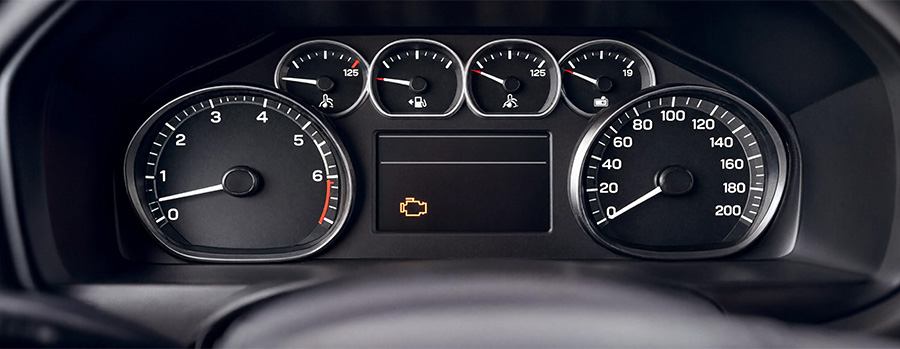
While some causes are relatively minor,
others can lead to expensive repairs if ignored. Understanding why your check
engine light comes on and knowing when to schedule a
professional check engine light service can help protect your vehicle's
performance, fuel economy, and long-term reliability.
At Rick Weaver GMC in Erie, our GM certified
service technicians use advanced diagnostic equipment to accurately identify
the source of check engine light concerns and recommend the right repair the
first time.
What Does the GMC Check Engine Light Mean?
Your GMC's check engine light, also known
as the Malfunction Indicator Lamp (MIL), is connected to the vehicle's onboard
diagnostic system (OBD-II).
The system continuously monitors critical
components including the engine, emissions system, ignition system, fuel
delivery, sensors, and transmission. If it detects a fault outside normal
operating parameters, it stores a diagnostic trouble code (DTC) and illuminates
the check engine light.
The warning light generally appears in
one of two ways:
·
Solid Check Engine Light: Indicates a fault that should be diagnosed soon but usually
doesn't require immediate stopping.
·
Flashing Check Engine
Light: Indicates a potentially serious issue,
such as an engine misfire, that can quickly damage the catalytic converter. If
the light is flashing, reduce speed, avoid heavy acceleration, and schedule
service immediately.
Common Causes of a GMC Check Engine Light
Many different issues can trigger your
check engine light. Some are inexpensive fixes, while others require more
extensive repairs.
1.
Loose or Damaged Gas Cap
One of the simplest and surprisingly
common causes is a loose, cracked, or missing fuel cap.
The gas cap helps maintain pressure
inside the fuel system while preventing fuel vapors from escaping. If it isn't
properly sealed, your GMC may detect an evaporative emissions leak and
illuminate the check engine light.
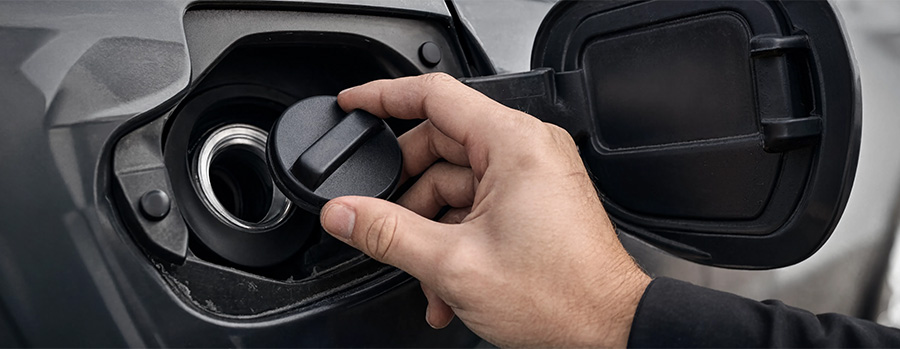
Fortunately, tightening or replacing the
gas cap often resolves the issue after the system completes its self-check.
2.
Faulty Oxygen Sensor
Oxygen sensors monitor the amount of
oxygen in your exhaust gases, helping your engine maintain the proper air-fuel
mixture.
When an oxygen sensor begins to fail,
your GMC may experience:
·
Reduced fuel economy
·
Rough engine performance
·
Increased emissions
·
Poor acceleration
Replacing a faulty oxygen sensor promptly
can help restore performance while preventing additional damage to the
catalytic converter.
3.
Worn Spark Plugs or Ignition Components
Spark plugs and ignition coils play a
major role in combustion efficiency.
As they wear over time, you may notice:
·
Engine misfires
·
Rough idling
·
Slow acceleration
·
Hard starting
·
Poor fuel economy
Many ignition-related issues will trigger
the check engine light before symptoms become severe.
4.
Catalytic Converter Problems
The catalytic converter helps reduce
harmful exhaust emissions.
A failing converter may result from
prolonged misfires, oil consumption, or normal wear over high mileage.
Signs often include:
·
Reduced engine power
·
Sulfur or rotten egg
smell
·
Poor acceleration
·
Reduced fuel efficiency
Because catalytic converters are
expensive components, addressing smaller issues early can often prevent
premature failure.
5.
Mass Air Flow (MAF) Sensor Failure
The Mass Air Flow sensor measures the
amount of air entering the engine.
Incorrect airflow readings may cause:
·
Rough idle
·
Hesitation
·
Poor acceleration
·
Increased fuel
consumption
·
Engine stalling
Cleaning or replacing the MAF sensor
often restores proper engine performance.
6.
EVAP System Problems
Your evaporative emissions (EVAP) system
captures fuel vapors before they escape into the atmosphere.
Leaks within the EVAP system, including
hoses, valves, or the charcoal canister, commonly trigger check engine lights
without affecting drivability.
Although the vehicle may appear to run
normally, these issues should still be diagnosed to maintain emissions compliance.
7.
Fuel System Issues
Problems involving the fuel injectors,
fuel pump, or fuel pressure can also illuminate the check engine light.
Drivers may experience:
·
Difficulty starting
·
Engine hesitation
·
Loss of power
·
Poor fuel economy
·
Rough running
Professional diagnostics are necessary to
pinpoint the exact source.
Can You Continue Driving with the Check Engine Light On?
It depends on the type of warning.
If the light is solid and your vehicle
feels normal, you can usually continue driving for a short period while
scheduling a diagnostic appointment as soon as possible.
However, if you notice:
·
Flashing check engine
light
·
Severe loss of power
·
Loud knocking noises
·
Heavy engine shaking
·
Smoke from the exhaust
·
Overheating
You should avoid driving until the
vehicle is inspected.
Ignoring serious warning signs can result
in significantly higher repair costs.
How to Clear Check Engine Light GMC Owners Ask About
Many drivers search online for how to
clear check engine light after seeing the warning appear.
While some scan tools allow you to erase
diagnostic codes, clearing the light does not repair the underlying problem.
If the fault still exists, the light will
usually return after the vehicle completes its next diagnostic cycle.
Simply clearing the warning without
diagnosing the issue can also erase valuable diagnostic information that
technicians use to identify the root cause.
How to Reset Check Engine Light GMC Drivers Should Know
Similarly, many owners ask how to reset check engine light GMC vehicles.
The answer depends on what caused the
warning.
If the issue has been properly repaired, for
example replacing a faulty oxygen sensor or tightening a loose gas cap, the
onboard computer will often turn the light off automatically after several
successful drive cycles.
In some situations, technicians may use
professional diagnostic equipment to reset the system after repairs have been
completed.
Resetting the light before repairing the
fault is not recommended because the warning will almost always return.
Why Professional Diagnostics Matter
Modern GMC vehicles contain dozens of
sensors and electronic control modules that work together continuously.
The same check engine light can represent
hundreds of different diagnostic trouble codes.
Professional diagnostics involve much
more than reading a code.
GM Certified technicians also evaluate:
·
Live sensor data
·
Fuel trims
·
Freeze-frame information
·
Electrical system
performance
·
Component testing
·
Manufacturer service
bulletins
This comprehensive approach ensures the
correct repair is performed rather than simply replacing parts based on
guesswork.
Preventing Future Check Engine Light Problems
Although not every issue can be avoided,
regular maintenance significantly reduces the chances of unexpected warning
lights.
Some of the best preventative practices
include:
·
Following GMC's
recommended maintenance schedule
·
Replacing spark plugs at
recommended intervals
·
Keeping engine oil fresh
·
Replacing air filters
regularly
·
Using quality fuel
·
Tightening the gas cap
after every fill-up
·
Addressing unusual engine
symptoms early
·
Scheduling routine
inspections
Preventive maintenance often identifies
small problems before they trigger larger repairs.
Why Choose Rick Weaver GMC for Check Engine Light Service?
When your check engine light comes on,
accurate diagnosis is the key to protecting your vehicle.
At Rick Weaver GMC, our GM Certified
Service technicians use factory-approved diagnostic equipment to identify the
exact cause of your warning light and recommend repairs based on GMC's
specifications.
Drivers throughout Erie trust us for:
·
GM Certified technicians
·
Genuine GM Parts
·
Advanced diagnostic
equipment
·
Accurate check engine
diagnostics
·
Engine performance
repairs
·
Emissions system service
·
Convenient online
scheduling
Whether the issue is a simple gas cap or
a more complex engine concern, our team is committed to providing honest
recommendations and quality repairs that help keep your GMC running at its
best.
Schedule GMC Check Engine Light Service in Erie Today
Your check engine light is designed to
protect your vehicle, not to be ignored.
If you've noticed your GMC check engine
light come on, don't wait until a small issue becomes an expensive repair.
Whether you need professional check engine light service, want to understand
how to clear check engine light GMC warnings properly, or are wondering how to
reset check engine light GMC systems after repairs, the experienced team at
Rick Weaver GMC is here to help.
Schedule your diagnostic appointment today and let our GM Certified technicians identify the issue, perform the necessary repairs, and get you back on the road with confidence.