Why Is My GMC Overheating? Common Causes and Repairs
You glance at your dashboard and notice the temperature gauge climbing higher than normal. A few moments later, a warning light appears or worse, steam starts rising from under the hood.
If you've been asking yourself, "Why is my GMC overheating?",
don't ignore the warning. An overheating engine can quickly turn a simple
repair into a major expense if left untreated.
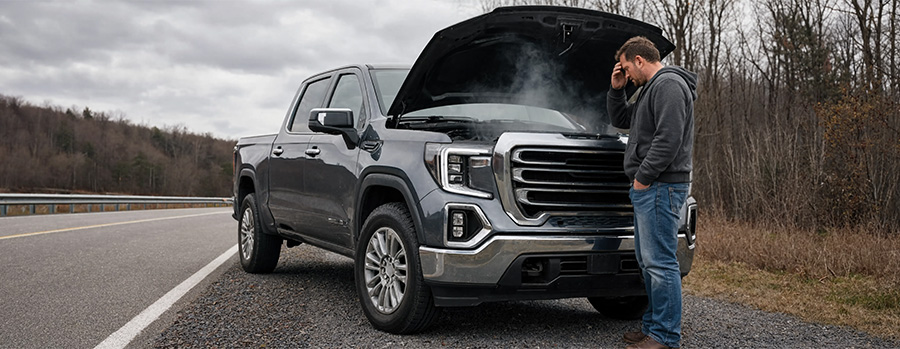
Whether you're commuting through Erie, driving along I-90, or heading
out for a weekend trip around Presque Isle, your GMC's cooling system works
constantly to keep the engine operating at a safe temperature. When even one
component fails, car overheating can happen unexpectedly.
At Rick Weaver GMC, our factory-trained technicians diagnose cooling
system problems quickly and provide professional car engine overheating repair to help keep your GMC running reliably in every
season.
How Your GMC's Cooling System Prevents Overheating
Every time your engine runs, it produces an enormous amount of heat. The
cooling system keeps temperatures under control by circulating coolant through
the engine and radiator, where excess heat is released before the coolant
begins the cycle again.
Several components work together to make this possible, including the
radiator, thermostat, water pump, cooling fans, hoses, and coolant itself. If
any of these parts stop working properly, your engine may no longer stay within
its normal operating temperature, leading to GMC overheating.
Common Causes of GMC Overheating
1.
Low Coolant Levels
One of the most common reasons for GMC
overheating is low coolant. Coolant absorbs heat from the engine and
carries it to the radiator, where it can safely dissipate.
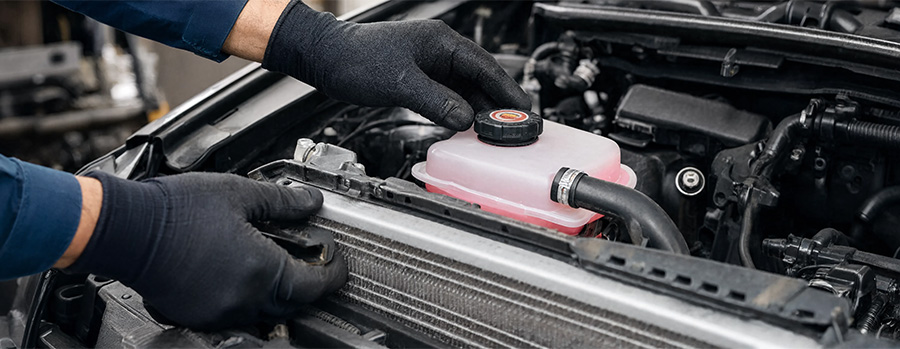
Coolant levels can drop because of leaks,
worn hoses, a damaged radiator, or even internal engine problems. While adding
coolant may temporarily lower the temperature, it won't fix the underlying
issue if there's a leak somewhere in the system.
2.
A Faulty Thermostat
The thermostat controls when coolant flows
through the engine. If it becomes stuck in the closed position, coolant can't circulate properly, causing engine
temperatures to rise rapidly.
This is one of the most frequent answers to
the question, "Why is my GMC overheating?" Fortunately, replacing a
faulty thermostat is often far less expensive than repairing damage caused by
prolonged overheating.
3.
Radiator Problems
Your radiator releases heat from the coolant
before it's sent back through the engine. Over time, corrosion, mineral
deposits, road debris, or physical damage can reduce the radiator's ability to
cool the engine efficiently.
Drivers in Erie may also experience radiator
issues after harsh Pennsylvania winters, when road salt accelerates corrosion
and affects cooling system components.
4.
Water Pump Failure
The water pump continuously circulates
coolant throughout the cooling system. If it begins to fail, coolant may stop
flowing properly, causing temperatures to rise quickly.
Signs of a failing water pump often include
coolant leaks, whining noises from the engine, or overheating that becomes
worse while driving.
5.
Cooling Fan or Hose Problems
When you're sitting in traffic or idling at a
stoplight, the cooling fans help pull air through the radiator. If a fan motor,
relay, or electrical connection fails, the engine may overheat even though
everything seems normal at highway speeds.
Similarly, cracked or deteriorating radiator
hoses can leak coolant or restrict circulation, reducing the cooling system's
effectiveness.
Warning Signs Your GMC May Be Overheating
The sooner you recognize the symptoms, the better your chances of
avoiding serious engine damage.
Watch for:
·
The temperature gauge moving into the red zone
·
Steam coming from under the hood
·
Coolant leaking beneath the vehicle
·
A sweet smell from escaping coolant
·
Reduced engine performance or warning lights
If you notice any of these symptoms, schedule car overheating repairas soon as possible.
What Should You Do If Your GMC Starts Overheating?
If your engine begins overheating while you're driving, acting quickly
can help prevent permanent engine damage.
1.
Turn off the air
conditioner and switch the heater on high to help draw heat away from the
engine.
2.
Pull over safely as
soon as possible and shut the engine off.
3.
Allow the engine to
cool completely before opening the hood, and never remove the radiator cap
while it's still hot.
Even if the engine seems to return to normal after cooling down, it's
important to have the cooling system inspected. Continuing to drive without
addressing the cause can lead to much more expensive repairs.
Why Prompt Repairs Matter
Ignoring car overheating can result in severe engine damage.
Excessive heat can warp cylinder heads, damage head gaskets, crack engine
components, and even lead to complete engine failure. Repairs that might have
started as a thermostat replacement or coolant leak can quickly become a
multi-thousand-dollar engine repair.
Professional technicians don't simply add coolant and send you back on
the road. They inspect the entire cooling system, pressure test it for leaks,
verify proper thermostat operation, examine the radiator and water pump, and
ensure the cooling fans are functioning correctly. This thorough diagnosis
identifies the root cause so the problem doesn't return.
Expert Car Engine Overheating Repair at Rick Weaver GMC
Whether your GMC needs a coolant flush, thermostat replacement, radiator
repair, hose replacement, or complete car engine overheating repair, the
certified technicians at Rick Weaver GMC have the training and equipment to
diagnose the issue correctly.
Using genuine GMC parts and manufacturer-recommended repair procedures
helps restore your cooling system's performance while protecting your engine
for the long term. Our team understands the unique demands that Erie drivers
face throughout Pennsylvania's changing seasons and can recommend maintenance
that helps prevent future cooling system failures.
Tips to Help Prevent Car Overheating
Routine maintenance is the easiest way to reduce the risk of
overheating.
·
Check your coolant level regularly and top it off only with the
recommended coolant.
·
Have your cooling system inspected during routine maintenance visits.
·
Repair coolant leaks promptly instead of waiting for warning lights or
overheating to occur.
·
Replace worn hoses, thermostats, and other cooling system components
before they fail.
Trust Rick Weaver GMC in Erie, PA
If you've been wondering, "Why is my GMC overheating?", don't
wait for the problem to become more serious. Addressing car overheating early
can prevent costly engine damage and help keep your vehicle dependable for
years to come.
Whether your GMC needs a simple coolant service or a complete fixing overheating car solution, the experienced team at Rick Weaver GMC in Erie, PA, is here to help. Schedule your appointment today for expert diagnostics and dependable car engine overheating repair performed by certified GMC technicians.